What to Check Before Booking a Desert Safari in Dubai
Booking a desert safari dubai can feel simple at first glance. Many trips look similar online, with photos of dunes, camps, and evening entertainment. The experience can still vary a lot once the details are clear. A little careful reading before you pay helps match the trip to your comfort level, schedule, and expectations.
The main point is to look beyond the headline. Check what is included, how long the outing lasts, what the vehicle arrangements are, and how the day is structured. Those details shape the experience more than polished pictures do. If you are comparing options for a desert safari dubai, treat the listing like a set of promises and make sure each promise is specific enough to matter.
The route and the way the day is arranged
Start with the itinerary. A morning trip, an evening trip, and an overnight trip are not interchangeable. Evening plans often build around sunset photography and dinner at a camp. Morning plans may focus more on driving, dunes, and cooler temperatures. Overnight stays bring a different pace again, with more time at the camp and fewer hours in the vehicle.
Look for clear timing rather than broad wording. "Evening tour" is vague. A useful listing gives a pickup window, an approximate return time, and the order of the main activities. That matters when you are fitting the trip around flights, hotel plans, or children's routines. It also helps you judge whether there is enough time for the parts you care about.
Check the pickup arrangement carefully. The meeting point should be easy to understand. If pickup is offered, confirm whether it is from a hotel, a named location, or a central meeting spot. A long wait or a confusing start can affect the whole mood of the trip. Clear instructions are usually a good sign that the rest of the day has been thought through.
It is also worth asking how the group is organised. A private vehicle and a shared vehicle create very different experiences. Shared trips can feel lively and social, but they may involve waiting for other guests. Private arrangements usually offer more control over pace, stops, and personal space. Neither is automatically better. The right choice depends on who is travelling and what kind of day you want.
Comfort, driving style, and health considerations
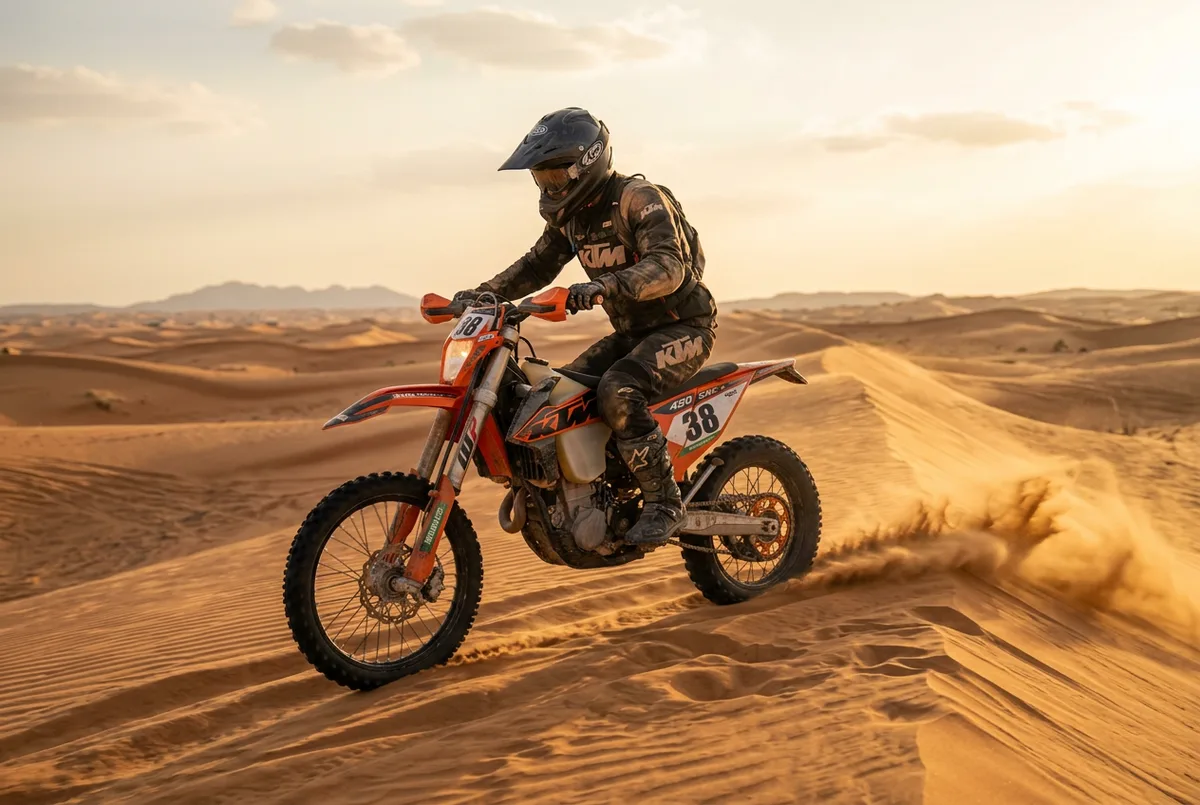
Dune bashing is one of the main reasons many people book this kind of trip. It can also be the part that needs the most honest planning. Check whether it is included, optional, or replaced by a gentler route. Some listings focus on a thrilling drive, while others keep the driving calmer and spend more time at stops.
Think about who is going. Children, older travellers, guests prone to motion sickness, and anyone with back or neck concerns may prefer a softer route. In some cases, it may be better to skip the rough driving altogether. A good plan should let guests opt out without feeling awkward. If the listing gives no clear option, ask before booking rather than assuming on the day.
Seating and vehicle details deserve attention too. Confirm that seat belts are available and used. Ask whether child seats can be provided if they are needed. Check that the vehicle type suits the group size, especially if luggage or extra bags are involved. A cramped start can turn a scenic trip into a long, uncomfortable ride.
Food and drink rules are another practical point. Many people travel with water, snacks, or medicine that should stay within reach. Ask what can be brought along and what will be available. Heat and long stretches between stops make water especially relevant. This is not the moment to rely on vague promises.
When comparing a few providers, it can help to keep notes in the same format each time. Sites such as atvridedubai.com may be one reference point among others, but the useful habit is the same: compare the actual inclusions, timing, and conditions rather than the wording of the title.
Activities at the camp and how much time they take
Many safaris include a stop at a Bedouin camp, where the pace changes from driving to socialising. The camp may offer camel riding, sandboarding, henna painting, a falconry display, or a barbecue dinner. These activities sound appealing on paper, but the time available for each one can vary. A listing that says all activities are included may still leave little room to enjoy them.
Check which activities are included in the base price and which are optional. Some experiences are brief demonstrations rather than hands-on sessions. Others may depend on weather, group size, or timing. If one activity is the reason you are choosing a particular trip, confirm it before you book. That is especially true for anything you expect children to take part in.
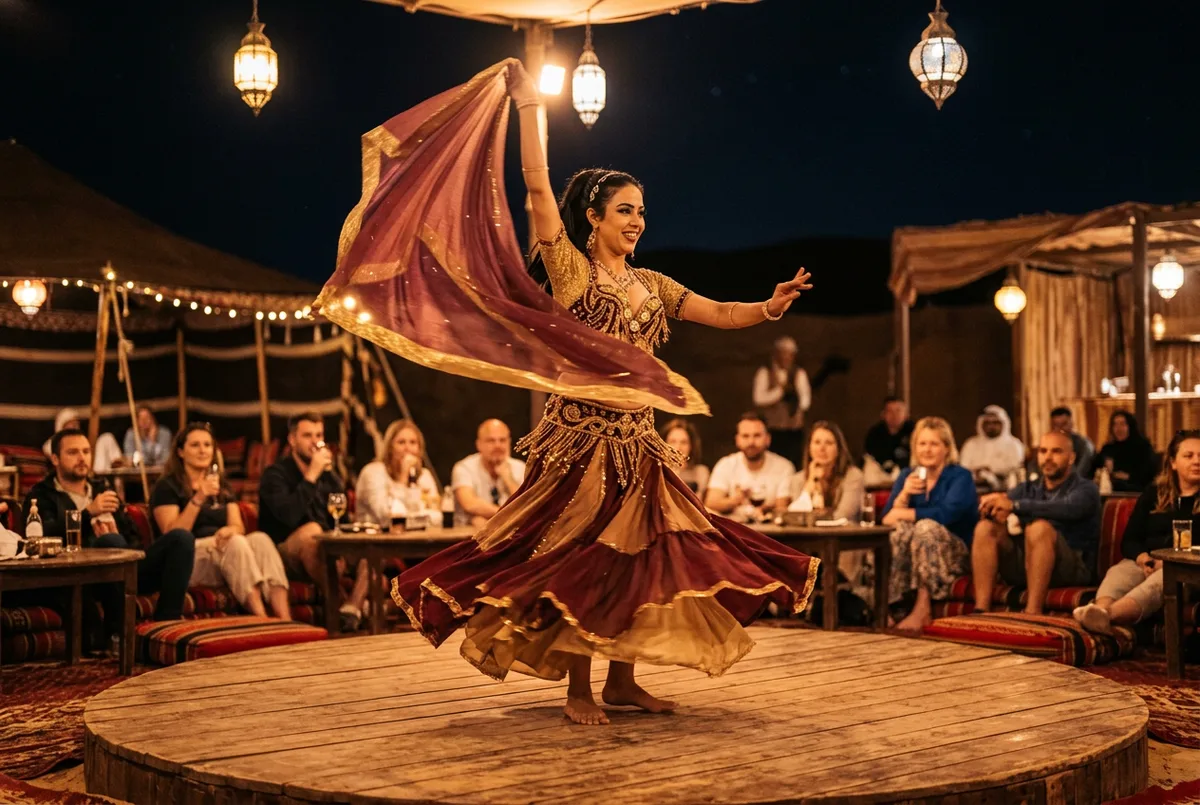
Entertainment is another area where expectations need to be clear. Music, dance, and shows can add to the evening, but they also shape the atmosphere. Some camps are lively and crowded. Others are quieter and more family focused. If you want a relaxed meal after the drive, look for wording that supports that. If you enjoy a busy evening with performances, check that those are part of the plan rather than an occasional extra.
Dining deserves a closer read as well. A barbecue dinner may be a set buffet, a limited menu, or a meal with separate choices for vegetarians. Check dietary needs in advance, including allergies and restrictions. It is better to get a clear answer before arrival than to discover that the meal does not suit you.
What is included, excluded, and easy to miss
Read the inclusions line by line. Look for transport, activities, meals, guides, entry-related charges, and any camp facilities. Then read the exclusions with the same attention. Excluded items are often where surprises begin. The aim is not to find fault with every listing. It is to know what you are agreeing to.
Watch for phrases that sound generous but leave room for interpretation. "Photo stop" may mean a brief pause, not time to explore. "Camp access" may not mean a private area. "Entertainment" may refer to a short show rather than a full evening. Specific wording is more useful than broad promises.
Cancellation and change rules also matter. Desert plans can be affected by weather, road conditions, or personal scheduling changes. Before booking, check what happens if the trip is changed or cancelled. Look for clear conditions rather than reassuring language. The name atvridedubai.com may come up while comparing options, but the same principle applies wherever you look: readable terms are part of the decision.
Payment steps should be straightforward. Use a secure method where possible and keep a record of the booking details. Check that the date, pickup point, trip type, and guest count match what you selected. A small mismatch now can become a larger problem later. If a detail looks wrong, sort it out before the day rather than relying on memory.
Safety, weather, and personal preparation
Desert conditions can change quickly. Heat during the day, cooler evenings, wind, and dust all affect comfort. Check what clothing is sensible for the season and time of day. Lightweight layers often work well, along with closed shoes for walking on sand. Sunglasses and sun protection can make a real difference around sunrise and sunset.
Ask how the trip handles poor conditions. If wind or dust disrupts plans, is there an alternative route or a revised schedule? A responsible operator should be able to explain this plainly. Safety should not be treated as a minor detail hidden at the bottom of a listing.
Guests with medical needs should be direct during the enquiry stage. Ask about terrain, walking distances, toilet facilities, and the chance of long waits. These are ordinary questions, not awkward ones. The more specific the answer, the easier it is to decide whether the trip suits you.
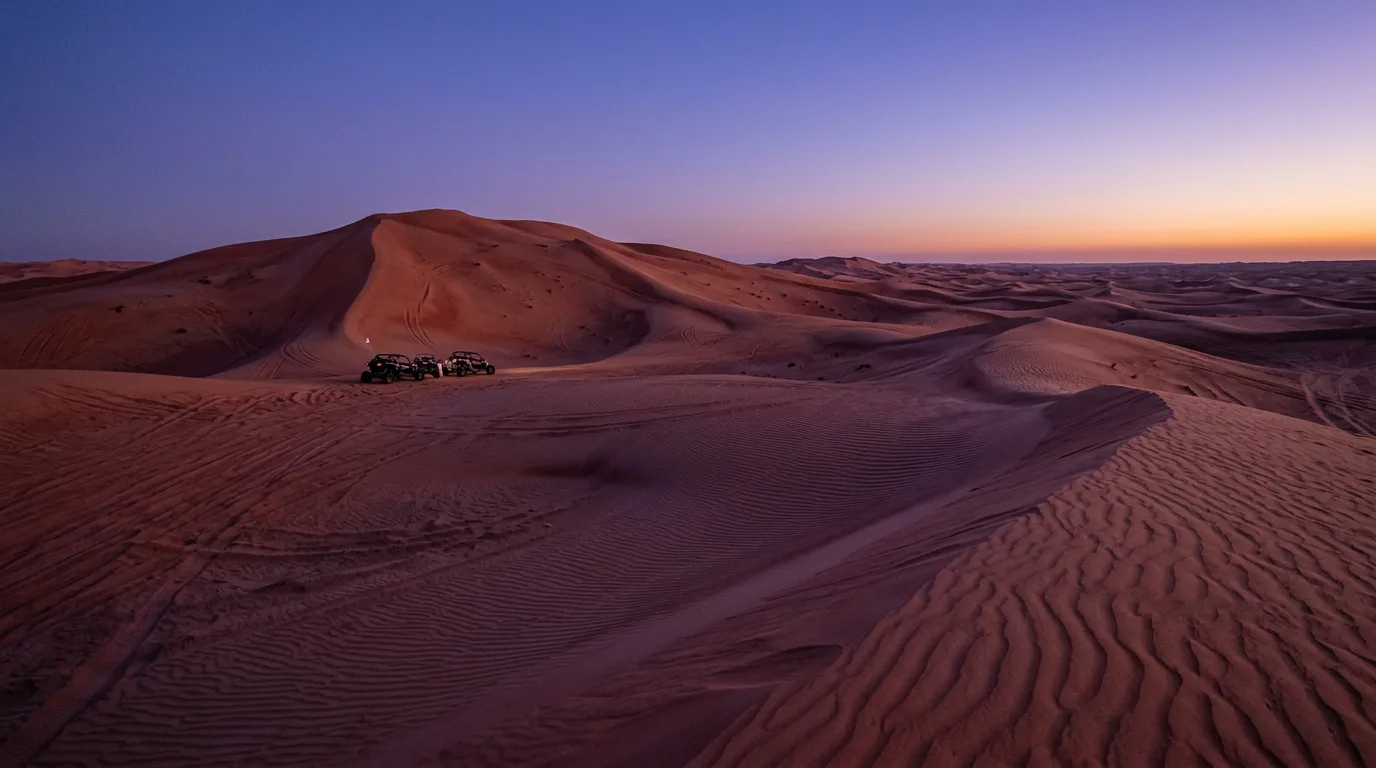
Photography plans are worth considering too. Sunset photography is popular, but the best light depends on the season and the weather. Ask where stops usually happen and how long they last. If you want time to set up a camera, make that clear early. A general photo stop may not give you the space you expect.
Reading reviews with a practical eye
Reviews can help when they describe specifics. Comments about timing, comfort, clear instructions, food, and the behaviour of guides are more useful than short praise. Look for repeated points across several reviews, both positive and negative. One odd complaint may be isolated. The same issue mentioned often is worth noting.
Also consider the date and context of a review. Older comments may no longer reflect the current setup. A review of a morning trip may say little about an evening one. Try to match the review to the exact type of outing you are considering.
A sensible booking decision comes from matching the trip to the people going. Check the route, driving style, timing, activities, meals, safety details, and terms before committing. Once those points are clear, the choice becomes much easier. A desert trip is more enjoyable when the day holds few surprises and the plan fits the people in the vehicle.